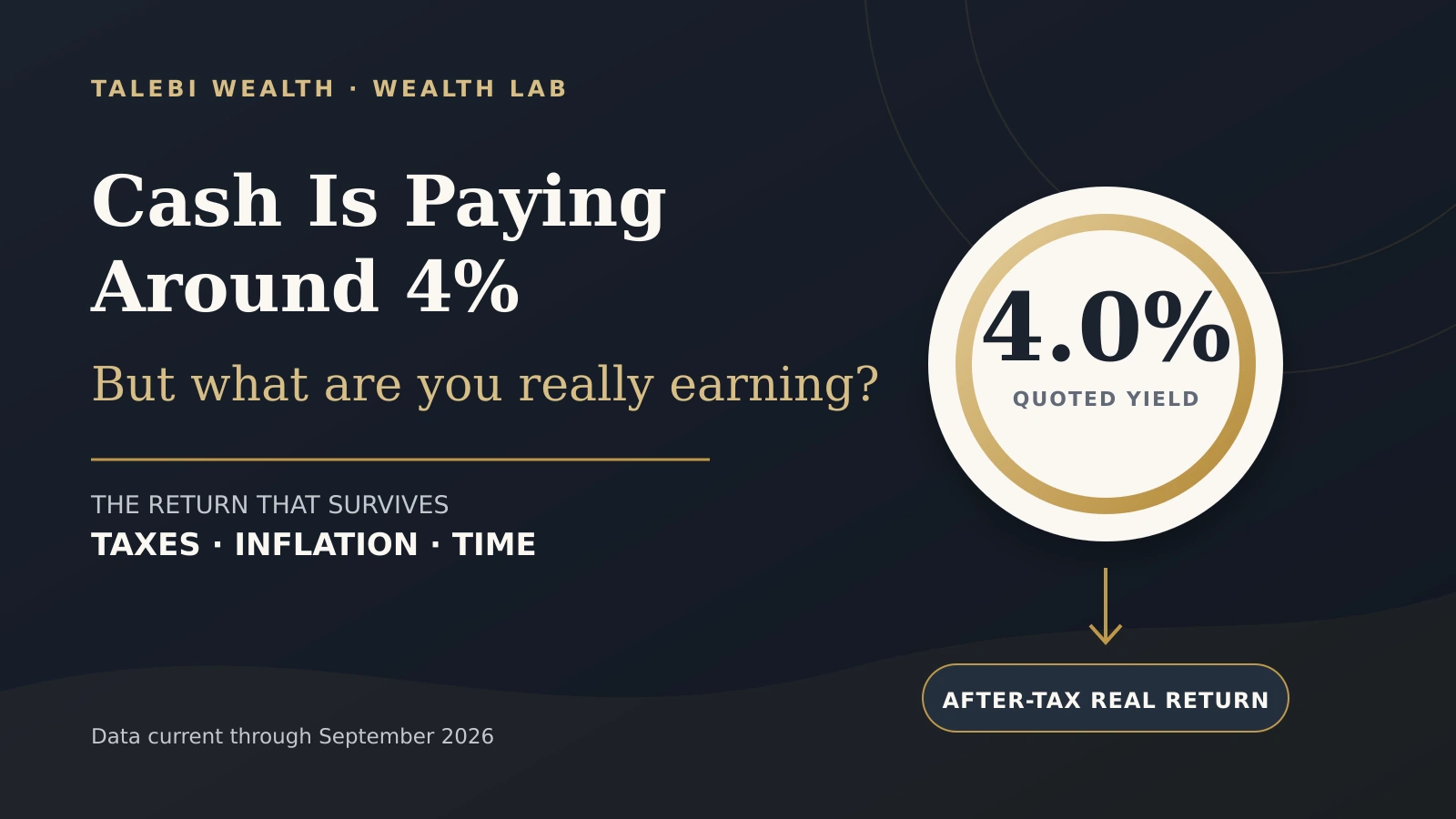
Cash Is Paying Around 4%—But What Are You Really Earning?
What a 4% cash yield becomes after federal taxes and inflation—and how to give every dollar of cash a clear job.

Long-form ideas on money, behavior, investing, retirement, career decisions, and financial freedom.
What a 4% cash yield becomes after federal taxes and inflation—and how to give every dollar of cash a clear job.

A diversified portfolio can still hide employer concentration. Stress-test how salary, stock, benefits, and career depend on one company.

An exploration of how philosophical thinking can inform better personal-finance decisions and behavior.

Why education and financial decision-making are related but not interchangeable.

A framework for thinking about career flexibility, financial independence, and the freedom to choose work.

How high earnings can coexist with financial fragility and limited flexibility.

Applying clearer, evidence-oriented thinking to personal finance and planning decisions.

Behavior, expectations, and decision-making lessons from The Psychology of Money for personal finance, wealth, and high-income professionals.

A reflection on the difference between earning income and building durable capital.
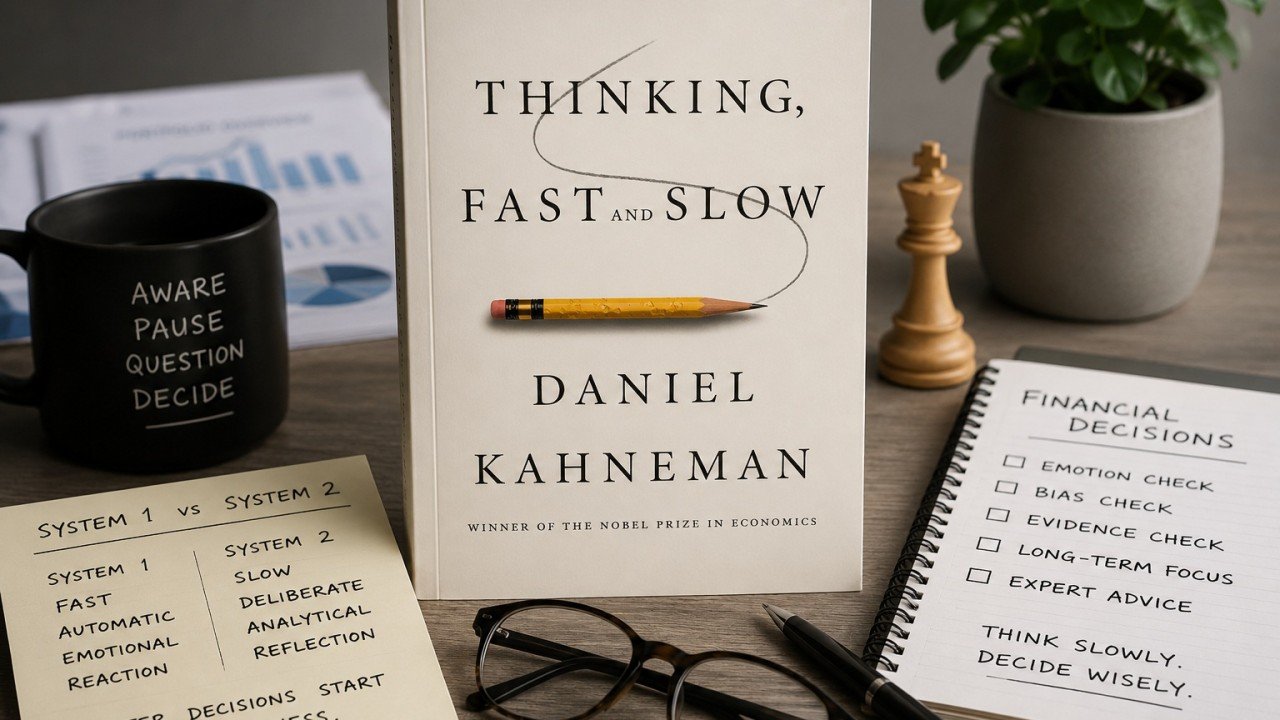
How cognitive biases can influence financial choices even among highly educated people.
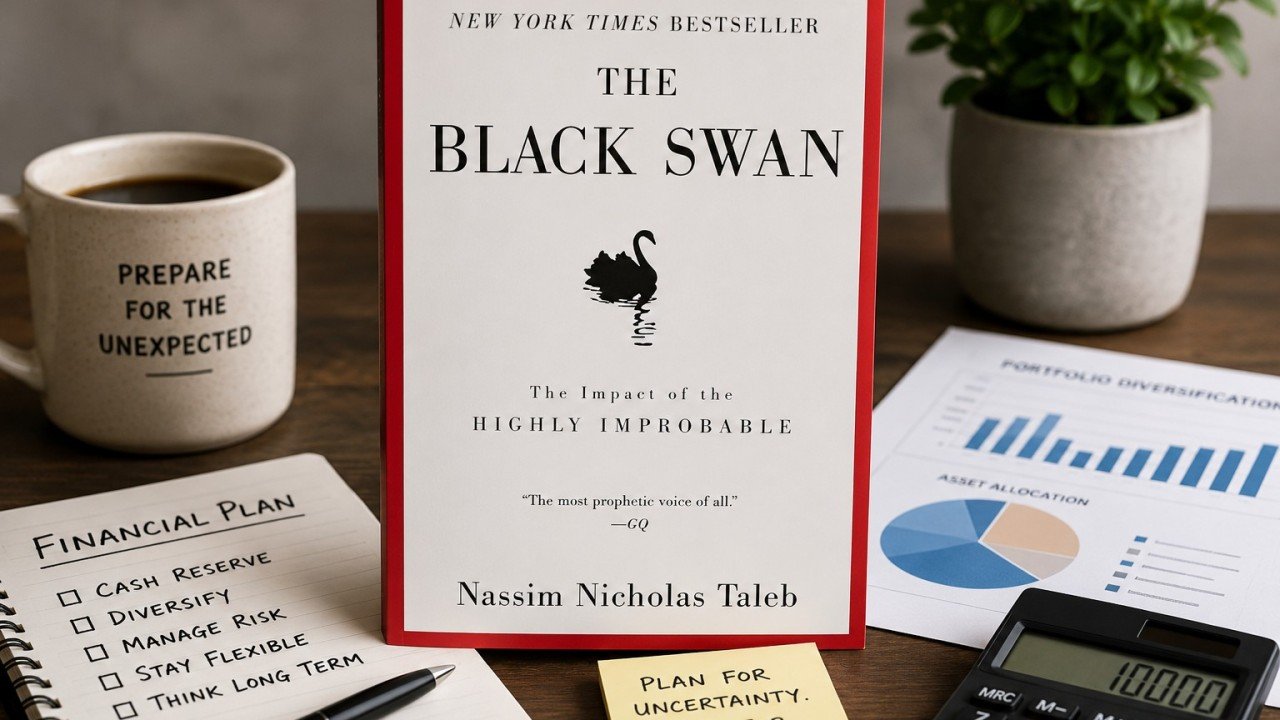
Why financial planning must prepare for uncertainty, rare events, and unexpected changes in our financial lives.

How uncertainty and stress can affect financial behavior and planning.

The role of planning when markets, careers, and life circumstances feel uncertain.

A planning perspective on retention considerations for privately held businesses.

Why high income can coexist with low financial flexibility, and what actually turns income into wealth.
The gap between knowing what to do and actually doing it—and how behavior shapes financial outcomes.

A planning perspective on corporate wealth and long-term business considerations.

The emotional and family dimensions of financial planning for parents.
How better questions, clearer thinking, and principles can improve financial decisions.

How behavior and cognitive patterns can shape financial planning decisions.

Why family financial planning evolves as wealth moves from creation toward preservation.

A reflection on the potential costs of delaying coordinated financial planning.

Why financial education and ethical guidance matter for better financial decisions.
Browse the original Articles & Insights source on Alireza Talebi’s LinkedIn profile.