

I’ve met parents who are responsible in every visible way.
- Lunches packed.
- Bedtime stories read twice.
- School forms signed.
- Overtime accepted without complaint.
You carry the weight of their world quietly.
And yet, when it comes to money and legacy planning, even the strongest parents freeze.
It’s not because they don’t care. It’s because they care too much.
It is emotionally exhausting to price out your family’s future. It is terrifying to imagine the "what ifs." It feels like you’re inviting bad luck just by opening the conversation. So, we tell ourselves the lie: "I’ll do it when life slows down."
Here is the truth: Life rarely slows down.
Financial planning isn’t just spreadsheets and jargon. When you have kids, it is love in its most practical form. It is the paperwork that says: "If something happens to me, you will still be okay."
If you have been avoiding this, you aren't lazy. You’re likely just anxious. But avoidance is a luxury parents can't afford.
Here is the "Parent Plan": A 5-pillar framework (valid for 🇨🇦 and 🇺🇸 families) to protect your kids and your peace.
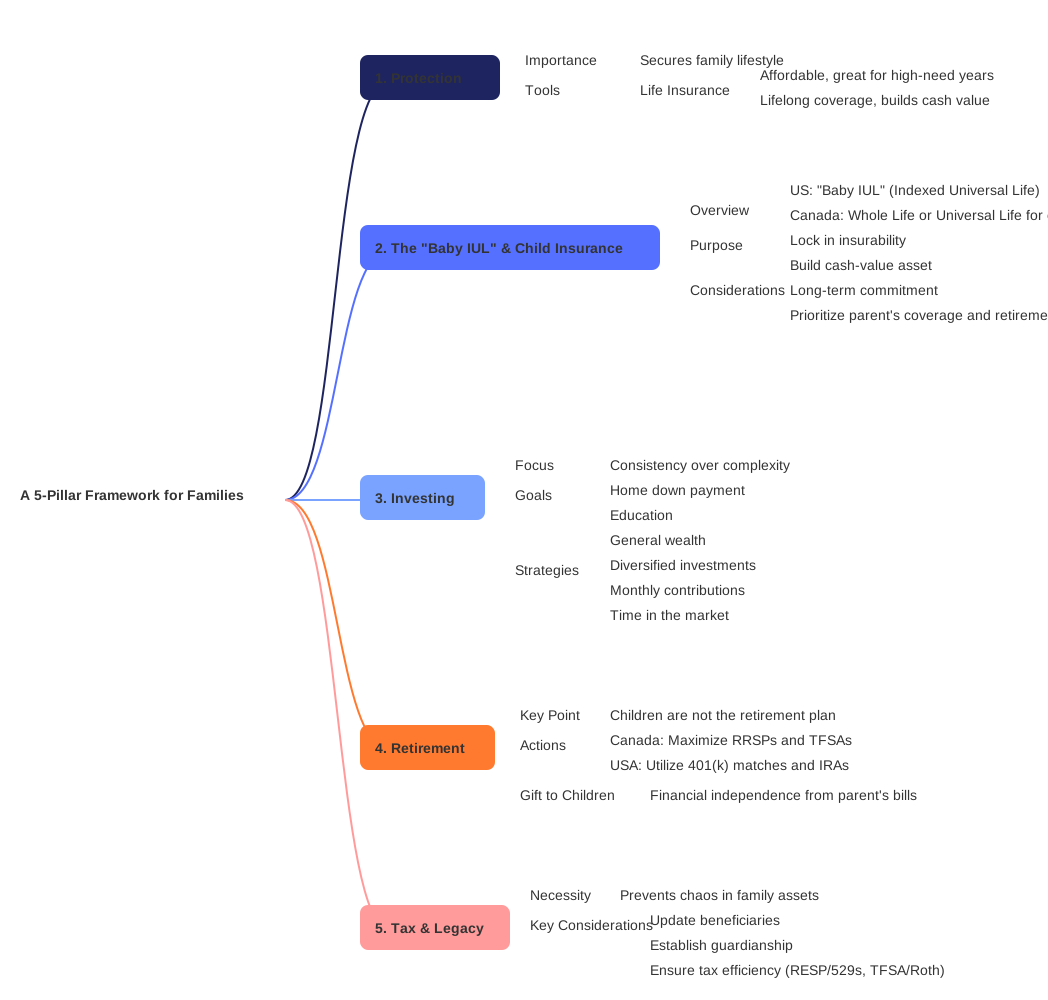
1. Protection: Because love doesn’t pay the mortgage
If your income (or your unpaid labor at home) stopped tomorrow, what happens to their life?
Life insurance is the "break glass in case of emergency" tool. It replaces income, kills debt, and buys your family time to grieve without panic.
Term Insurance: Usually the most affordable. Great for high-need years (young kids, big mortgage).
Permanent/Whole Life: Lasts a lifetime and can build cash value, but is more complex and costly.
The goal: Ensure their lifestyle doesn't have to change just because your health did.
2. The "Baby IUL" & Child Insurance Conversation
You see this all-over social media lately.
In the US: Often called "Baby IUL" (Indexed Universal Life).
In Canada: Usually Whole Life or Universal Life for children.
Why parents do it: To lock in insurability while the child is young and healthy, and to build a cash-value asset that could support future goals.
The reality check: These are long-term commitments with fees and complexity. They can be powerful legacy tools, but they should generally not be prioritized before the parents are fully insured and retirement is on track.
Get a licensed illustration, not a TikTok summary.
3. Investing: Protection prevents falling; Investing helps them rise
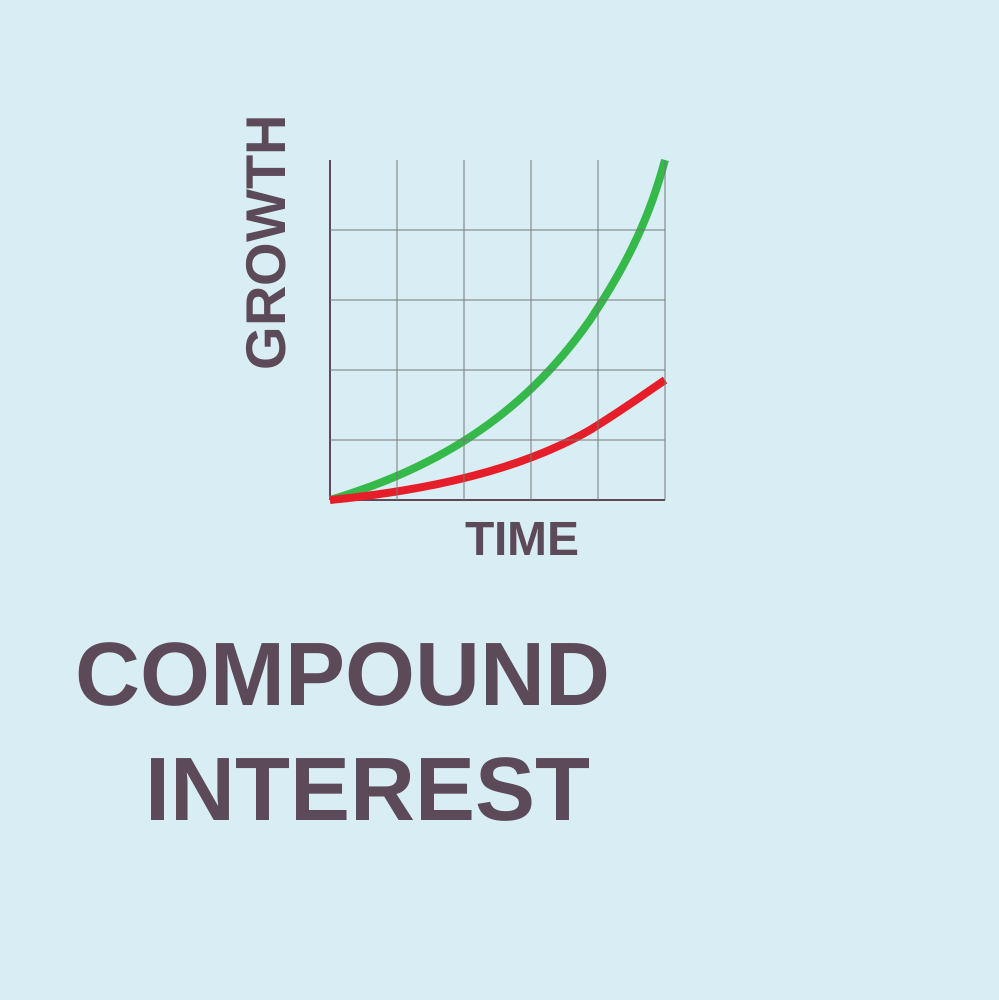
You don't need to be a stock-picking genius. You need to be consistent.
Whether it's for a home down payment, education, or general wealth, the "secret" is boring:
- Diversified investments.
- Monthly contributions.
- Time in the market.
4. Retirement: Your kids are not your retirement plan
This hits hard, but it’s true.
Many parents would sacrifice everything for their children today, only to become a financial burden on them 30 years from now.
Canada: Maximize those RRSPs and TFSAs.
USA: Utilize 401(k) matches and IRAs.
The greatest gift you can give your adult children is the freedom from worrying about your bills.
5. Tax & Legacy: Preventing chaos
If nothing is written down, the government decides what happens to your family.
Beneficiaries: Are they updated? (This overrides the will in many cases!)
Guardianship: Who takes the kids?
Tax Efficiency: Using the right accounts (RESP/529s, TFSA/Roth) to keep more of what you earn.
A Gentle Challenge: The "30-Minute Start"
You don’t have to solve it all today. But you do have to start.
- List what you want to protect.
- List what you already have.
- Book a chat with a licensed advisor.
You don’t need to have it all figured out to begin. You just need the courage to say: "My family matters enough to start this today."
It’s about peace. It’s about options. It’s about love that keeps showing up, even in the paperwork.
Note on Sources: Concepts regarding tax-free death benefits, registered accounts (RRSP/401k), and insurance structures are based on general guidelines from the CRA (Canada) and IRS (USA). Always consult a professional licensed in your specific jurisdiction.